I wanted Santa to be real to my daughters forever, not only when they were small, but always. I accomplished this by teaching them about the original Santa Klaus, St. Nicholas, Friend of Children and of the Poor, Master of Sneaky Good Deeds.
As a Saint he is forever accessible to us who believe. Very useful in this Santa catechesis was the little movie, Nicholas, the Boy Who Became Santa.* My girls loved it and they watched it over and over and so did the neighborhood kids who were always at our house. The movie shows the boy Nicholas giving away his things to the poor, buying slaves their freedom, sneaking food and gifts to children and the poor in the middle of the night, always remaining anonymous.
St. Nicholas, who had an intense devotion to the Christ Child and a special love for…
It’s a bit of a struggle. Some days are better than others. I noticed this summer that I was more emotionally fragile than I normally am. The anniversary of my brother’s death causes me grief but it hit me harder than usual this August. After it was over I didn’t feel all that much better. I had days I wondered what was going on with me this summer. When I start to feel alienated, withdrawn and broken I have to stop and sort out what it could be.
It could be regular old depression. It could be a stressor in my life. Or ten stressors. It could be that weird wiring I have from my Complex PTSS (formerly called PTSD). It could be grief issues coming up again for some reason. It could be more traumatic memories trying to surface – a process I particularly hate.
In any case I try to accept myself as God accepts me. Someone I like asked on social media whether God is with us in depression. It’s one thing to know the truth of his presence intellectually and quite another for our hearts, for our souls to know it. Of course he is with us.
Over the years when I am in this state that sometimes feels like a darkness and exhaustion, sometimes like broken-ness, sometimes like a crushing weight, I know he is with me, taking care of me, helping me bear this little cross of mine until I feel better.
It’s hard not to feel guilty when I’m depressed. Sometimes I need a walk or to pray. Other times I just need to hide in my room with a book. That last feels like I am being lazy and I feel bad. Jesus doesn’t want me to feel bad about what I need to do to get through depression. It’s hard for me to take care of myself when I am like this. It’s something I have to do for Jesus. “Eat a sandwich for me. Drink some water.” I tend to not only forget to eat when I am running rough, sometimes I feel angry about having to eat. So he says sweetly, “Eat something for me because I love you and I want you to.” And I will for him.
I’m so tired. I have this feeling of wanting to go home but I don’t know where I’m supposed to go. Even Heaven sounds exhausting.
Some afternoons are crushingly tough. Depression can be gray and tiring. Other times it can be a ferocious attack tearing me apart.
I’m impatient with my family, or irritable and I have to apologize.
This time around my depression seems like an agitated depression I have never had before. That scares me because my brother got like that before his suicide, though his was certainly more extreme. I think of this as a mild depression in comparison to what I saw my brother go through and not make it out of.
I am doing all the things I need to do. That in itself is a good sign. I even talked to my doctor; something I tend to avoid if at all possible. I try everything else first that I know to try. I look at my diet, stress, circumstances. I start taking B-Complex at my hardest time of day which tends to be the afternoon.
I look at the roses in the catalog. (I love looking at roses). I blow bubbles. I pet my cat.
I tell God, “I am depressed right now and I’m not sure what to do anymore. I’m so glad you are with me.”
Always I know it is temporary. I will get better. I imagine feeling better, sun on my face, feeling peaceful.
Now it is the holidays which are hard for my family and me, and maybe for you too. However I also know we will get through it, we all will.
If you are wondering if you should be “too blessed to be stressed” or something, (what nonsense), or if you are like me during depression and feel guilty about everything all the time every day, if you don’t know why your heart feels like it’s bleeding, and why you don’t have more faith, (you have plenty!) well I welcome you, and God does too.
Every second, love surrounds you, helping you along. This too shall pass, and once you have done all you can, and gotten the help you need, (I did, please don’t be ashamed about that) the rest is up to the Lord. Your job is to get through the day with his help.
Another thing I do is offer up my anguish to God with Mary, as she asked at Fatima, for the souls of others.
Oh Jesus, it is for love of you, for the conversion of sinners, and in reparation for the sins committed against your Sacred Heart and against the Immaculate Heart of Mary and, (I add), for everyone who suffers sorrow anywhere in the world today.”
I say to Jesus and Mary at the end of the day that I made it and thank you and also I add that I love sleeping and I’m comfortable and thank you for sleep.
The message of my book, Come to Mary’s House; Spending Time with Our Blessed Mother, is that Mary is real, accessible, and relatable. She is our companion in the life of prayer and in our whole life with Jesus.
I filled this little book with reflections on Mary and her life to help you form a connection with a Mary you can be themselves with and feel seen by. At the end of each reflection are brief imaginative sequences. Come to Mary’s House invites you to imagine you are with the Blessed Virgin – hanging out in her living room, working in her garden, or catching up over coffee. The goal is to encourage your encounter Mary as a friend, sister, and mother – in a comfortable, gentle way. By developing a personal relationship with her, you’ll let her lead you closer to Jesus. No one knows him better!
So come to Mary’s house. Help her with her housework, travel with her to hear the cries of the world, fold laundry, make bread, and enter into deepest prayer in her presence and with her help. She will even let you pick the roses in her garden. She makes the most amazing soup!
This book is for all who long for Mary and want to live in spiritual companionship with her. If you want to pray more deeply, love Jesus profoundly, and serve authentically from the heart, you couldn’t choose a better master of the spiritual life than Our Lady.
Here are some reviews from readers so far.
What a gem! The author provides a unique perspective into the life of Mary and how she may be looked upon not only as a mother, but as a sister and friend. Each chapter invites the reader to an intimate encounter with Mary while weaving in humor and personal storytelling.
If you are interested in furthering your relationship with Mary, read this. If you have difficulty understanding Mary, read this. If you know nothing about Mary, read this. If you know all there is to know about Mary, read this. Whatever your history with Mary is, this book will be sure to draw you closer to Mary in a new and unique way. – “M”
This book is extremely well-written. The author uses her own experiences to bring the reader closer to the Blessed Virgin. The writer skillfully balances Mary’s humanity with her spiritual uniqueness. This is an excellent book to give the reader a better understanding of who Mary was during her life, and who she is to us now. – Francis
Just last week I was really struggling with prayer and this morning I had tears in my eyes while “ruffling the little Jesus’ curls”. Since starting this book I have taken Mary everywhere. It’s really full of love. I highly recommend it to anyone. – Latisha
This is a beautiful book reminding each of us of the beauty of having a relationship with the Holy Mother, and how that relationship deepens our relationship with her son. I highly recommend it , it’s very beautiful book. -Anne
This book represents such a warm invitation to build a relationship with Mary, the mother of Jesus. Inventive and imaginative, this work soothes the soul and encourages greater mental prayer. Reading this book has helped me to grow in my love and appreciation for the Holy Family. -Maria
First of all, I do not come from the Catholic tradition. I didn’t learn a lot about Mother Mary, either good or bad. She was just the mother of Jesus, but she held no particularly high place. I always seemed to, from my many Catholic friends, get the sense that she was almost untouchable, unreachable, and certainly from my standpoint, unrelatable. It likely was my lack of understanding or experience of her than it was about the Catholic faith.
Over the years that has for many reasons changed and evolved. One of them was reading the beautiful writings of the author of this fine book.
Her unique style and vision puts real flesh, bone, humanity, and yes, humor to her Catholic faith. It breathes. And I find myself feeling I am walking amongst humans that I can not only learn from but truly relate.
This book does all of that to Mary- we revere her, but also walk beside her, she is our mother, but also our friend.
I recommend this book not only for lifetime Catholics but for converts and Protestants who may yet to experience the richness and yes, tragic loss and challenges of her life.
You will likely leave sensing you have gotten to know someone who you can have a cup of coffee with and perhaps see in a whole new way, or this book may re-affirm the way you’ve always known her.
I found it best to read it a little at a time, and go about your day and sit with it. It will stay with you. Shawn’s vivid stories and various ways of offering encounters with Mary will feed your soul. And make you laugh. Or perhaps cry. But chances are it will move you. – Mark
Come to Mary’s House; Spending Time with Our Blessed Mother is available wherever books are sold.
This novena is intended for the nine days leading up to the memorial of the Presentation of the Child Mary in the temple, celebrated November 21. Of course you can pray this any time you like or leading to any of the feasts of Mary’s girlhood.
We don’t usually think of Mary as a little girl in our country though devotion to little Mary is more common in Mexico, Italy and Spain.
To me she represents the way of spiritual childhood, or as St. Therese coined it, The Little Way. We can also consider this Little Way of St. Therese as simply the way Mary lived, with a pure and open heart free for God, a boldness of trust and childlike faith, a spirit of offering and the practice of the presence of God, all rooted in the most free and generous love ever known before that of her Son. Following the Little Way in Mary’s footsteps could be called the Marian Little Way.
So let us spend these nine days with little Mary and let us pray.
Day One: Mary in the Mind of God
Before I formed you in the womb I knew you. And before you were born I consecrated you.” Jeremiah 1:5a
Before God made Adam, he held Eve hidden in his heart where she lay curled in hidden beauty until the time came for her to be part of life, the mother of life on his beautiful garden planet newly created. After the fall of Adam and Eve God already knew he would bring us the New Eve and Mother of Life. She would be the dawn of our salvation. Until that future sunrise she remained in the depths of the Divine Consciousness like a hidden jewel.
Let us spend some time in her quiet radiance there.
Little Mary, deep in God’s Heart, invite us into those silent depths of Divine Love where we can rest with you.
Pray with Mary a slow, reflective Our Father imagining yourself with her in God.
Day Two: Mary’s Immaculate Conception and Immaculate Heart
Blessed are the pure in heart for they shall see God. Matthew 5:8
A fond memory of mine is of teaching my children to meditate. They sat quietly on the floor, little legs crossed, eyes closed. Closing my own eyes I told them to imagine their hearts opening to God’s love like a flower opening to the sun petal by petal. They were silent for a surprising amount of time. I opened my eyes and they were sitting very still in prayer concentrating with peaceful faces. My two little girls were also holding their shirts up. It was hilarious!
As we ponder the child Mary’s profound innocence of heart we can remember too, the simplicity of childhood, it’s freedom and clarity. A pure heart is a simple heart. A simple heart is clear enough for God to shine right into. A heart full of the sunshine of God’s face is also open to God’s light everywhere and in everyone. Mary’s pure and open, simple heart really sees us and she sees us with joy.
Take a moment now and join little Mary in opening your heart petal by petal to let the sunshine of God’s love in to light up every part of it. Then take some time to look at the child Mary and let her look at you.
Little Mary, pure and simple of heart, help us to see the smile of God in all things.
Say to her, “O Mary conceived without sin, pray for us who have recourse to thee.”
“Who is she who comes forth like the dawn; radiant as the sun, as awe inspiring as an army in battle array?- Song of Songs 6:10
She will crush your head alleluia – Little Office of the Blessed Virgin
A baby girl is born just before sunrise. She comes at the thinnest edge of dawn when stars retain their glitter for a few brief moments and the moon begins its transition to translucence. She is washed by the women of the family helping at the birth, rubbed with salt to protect her from infection, and wrapped snugly. She is handed to her mother and breast fed in flickering lamp light. The women neighbors take up bedding to be cleaned and straighten the house. Every room is full of the love and wonder that attends the birth of a new life. Everyone goes home. The father of the baby meets his child he never thought he would be able to have. He crawls onto the sleeping mat next to his wife and the family sleeps. But God can’t stop smiling about his secret surprise for the world and every soul he created, past present and future a surprise unfurling in and through the baby now lying between her parents, rooting sleepily for her mother’s breast. Heaven holds it breath. Rose petals drop gently down over the family even as the new father begins to snore.
And God said, “It is good, “ as a ribbon of brightness graced the horizon and the sun began to rise for everyone.
Take a moment now to love and be grateful for the gift of Mary in your life and to everyone everywhere. Feel her baby breath on your face. Smile with Heaven.
Little Mary, you are our life, our sweetness and our hope. I hold you close in my heart.
Day Four: Holy Name of Mary
Your name is ointment poured forth Song of Songs 1:3
I’ve read that in Jewish culture the name of a person is the key to their souls. The naming of a child is prophetic and represents their destiny. We know the Name of Jesus means “Yahweh saves,” which makes perfect sense. We know saying his Name or doing something in His Name has the effect of making him more present. We pray in the Name of Jesus. His is the only Name by which we may be saved. (Acts 4:12)
As Mary is not divine but 100% human, her name is given gracious power is relation to her Son’s. There are several interpretations of Mary’s holy name. “Bitter” is most common which makes sense because of her bitter suffering during the torture and death of Jesus, and her three days of desolate sorrow. “Star of the Sea” is a popular interpretation. It seems to be based on the Latin word for sea which is “mar. ” Mary spoke Aramaic so she would have been called Maryam. This name in Egyptian of the time meant “love,” which is how I have experienced Mary the most so that one is my favorite. What meaning of the name of Mary do you like best?
A spiritual practice of mine that is profoundly helpful to me is repetition of the Names of Jesus and Mary. I do believe saying Mary’s name brings her closer to me and keeps me connected to her. I mentally repeat it during the day, when I wake up and as I am going to sleep; any time I think of it. When I am upset it has a great effect on my state of mind. It helps me come into deeper prayer when I am distracted.
Your name, O Mary, is a precious ointment, which breathes forth the odor of Divine grace. Let this ointment of salvation enter the inmost recesses of our souls. [St. Ambrose +397]
Mary would have been named quietly at home and most likely without ceremony although I’m sure with love. She was most likely named after a relative as was customary. I like to think though that she was named after the prophetess Miriam, sister of Moses. This would have made sense since names are prophetic and Jewish parents are seen as cooperating with God in bestowing names on their children. Jesus was the new Moses, leading and freeing his people, and Mary was a new Miriam at his side as his support, raising her voice in praise of God after their deliverance from Egypt much as Mary did in her Magnificat, her song of praise in Luke 1:46-45.
Little Mary, we honor your holy name. Inspire us to pray it many times today with love, staying close to you. May your name be a precious ointment poured into the hidden recesses of our souls. Ave Ave Ave little Maria.
Day Five: As a child has rest
Truly I have set my soul in silence and in peace as a child has rest in [her] mother's arms, even so my soul. - Psalm 131:2
You have been invited to dinner at Joachim and Anne’s house. When you come in, you see their little girl playing in the courtyard where her mother says she has been all afternoon with the other kids. She runs into the house with a gaggle of them screaming and laughing and you can’t help but smile. Mary is filthy and her dress is frayed. Mother Anne dismisses the other children, washes her little girl’s face, hands and feet carefully and has her help to serve dinner.
All of you smile at Mary’s childish patter and even more as she grows sleepy, speaking more and more hapharzardly and slowly until she crawls into her mother’s lap, almost asleep.
As Joachim recites a Psalm, Little Mary gazes at you contentedly from her mother’s arms. Maybe you were worried about something or burdened with some sorrow. Somehow you can’t remember what it was and are happy just to sit peacefully and look back at Mary.
Let’s settle in and listen to Joachim’s voice as we smile at his little girl.
O Lord, my heart is not proud,
Nor haughty my eyes.
I have not gone after things too great
Nor marvels beyond me.
Truly I have set my soul
In silence and in peace,
As a child has rest in [her] mother’s arms,
Even so my soul.
O Israel, hope in the Lord forever.
Psalm 131
In the prayerful silence that follows, Mary’s eyes gently close. You feel her little hand in yours and close your eyes too, to pray.
But when you pray, go to your inner room, close the door, and pray to your Father in secret. And your Father who sees in secret will repay you. Matthew 6:6
She wants you to hold her and when you do, she messes up your hair. “You need to pray,” she says. She waits. “Go ahead. Pray.” Maybe you ask her, “What do you want me to pray?” To this she asks to be put down. “Stand like this by me.” When you do, she pulls your head down to her level, making you crouch. She becomes very solemn and and you can’t help but smile. Mary puts your hands over your eyes, telling you, “Don’t look on the outside, look on the inside.”
She says, in her sweet child’s voice, “Shema Yisrael Adonai eloheinu Adonai ehad.” She gives you a shove. “You’re not looking in!”
So now try, really try to turn within yourself where the Lord truly lives and try again.
Say with her,
Hear O Israel, the Lord is our God, the Lord is One
Dt. 6:4
She goes over the rest with you, nudging you any time you start to open your eyes. She tells you she prays this daily with her family, that everyone does. “But you have to be quiet in your heart and look inside.” Once she knows you have paid close attention to the words you are saying and to Whom you are saying them, she throws her arms around you, kissing your face.
Day 7: Being Little
Let the children come to me for the Kingdom of Heaven belongs to such as these. Matthew 19:14
We forget to be little before God. Remembering brings a joyful peace because it really is that simple. We complicate things and create obstacles for ourselves that aren’t true. Spending time with the child Mary and adopting her approach to life and the love of God gives us a clarity we lacked before. When the archangel Gabriel spoke to Mary she needed only to understand what was being asked of her to embrace it. God was everything to her and all she wanted. She trusted completely, bold and brave and sweet before God as the Holy Spirit ruffled her hair and Jesus stole her heart. She was glad to be small and humble; seeing herself as God’s littlest. She didn’t change at the Annunciation. She had always been this way from childhood.
Let’s remember that we are God’s littlest children so we can find the clearest sweetest peace by living in his heart letting ourselves be loved.
Child Mary help me to understand myself as little and dear that I may love God with bold trust and complete freedom.
At this writing today we celebrate the memorial of the Presentation of the Child Mary in the Temple. This was Mary’s consecration.
Let’s consecrate ourselves to God through and with her.
Find some quiet time you can spend with the child Mary. Let her throw her arms around you. Say to her, “O Mary I give you my heart, my hands, all of me, my whole life is yours. Do with me and build with me what you will, that I may run up the steps of the Temple with you into the arms of God.
Today is All Soul’s Day, the day we remember and pray for our beloved dead on their journey. It is a day to light candles for them, wash their head stones in the cemetery, to bring flowers. There will be masses and rosaries prayed for them in Catholic cemeteries all over the world today and every country has its own additional customs as well. Around here in some churches people bring pictures of their dead to leave there during the month of November. There will be a Book of the Dead placed near the door at church today so we can write their names in it and we will all pray for them during November at every mass.
Everyone is alive in God and we are still in communion with those who have gone before. I remember my husbands, my grandparents, my mother and my step father, my brother, and my friends who have died every day and I know they are with me. Love is stronger than death. And God is the God of both the living and the dead. All things are alive to him and therefor to me as one who loves him, and to you.
“… the world or life or death, or the present or the future: all belong to you, and you to Christ, and Christ to God. 1 Corinthians 3:22b-23
And Christ is all in all.
God bless you today and all of your loved ones who have died. May the tears you have cried for them be blessed. God holds every one of them close to his heart.
“You have stored my tears in your bottle and counted each of them. ” Psalm 56:8b
*The reason it says God keeps your tears in a bottle is because of the custom at that time to wear a small bottle around your neck when you were in mourning in which you stored your tears.
I tend to think of Zane in shades of color. The moods and thoughts that cross his face are less flickers of change than slight alterations in tint during most of the day. And then there will come a burst of laughter and squeals of hilarity as well as a series of short jumps from him- maybe from a joyful memory or some private joke. Or maybe he thought of something he looks forward to. Whatever it is he isn’t going to tell me; not because he is a teenager and I am an annoying adult he mostly gives the side eye to, but because Zane does not speak in words. Occasionally he becomes suddenly sad and will even weep and seek the affection he usually spurns but I can’t know why usually. All of these triggers of joy and sadness tend to be internal and inaccessible to me. I do know that if a book we are reading has a particularly heart wrenching passage it makes him wilt in sorrow and then he walks away and doesn’t want to read that book anymore. His feelings can be quite deep and all encompassing though I can lose sight of that in the comparative serenity his facial expression displays most of the time.
Zane can linger a long time looking intently at something that seems uninteresting to those of us who are more “neurotypical.” I imagine he sees patterns or details we don’t see. His favorite place to be is outside in the backyard in his “spot.” Zane feels best in nature. So most of our time together is outdoors. He hardly ever cares what kind of weather it is either. He just wants to be in it. Its not as if he isn’t paying attention to the weather although I think sometimes he isn’t. Nor do I think it is simply low body awareness. Maybe nature is his friend. Maybe he wants to take part in life that way as often as he can. It took me along time to realize that the melodic squeals he makes are an imitation of a backyard bird call we often hear. He amazes me all the time.
He has a little trouble with his gait but he still loves to lope along on long walks and he can really walk fast, especially if I play Cat Stevens on my phone. That is our walking music usually. Sometimes he stops to examine the leaves of a Dwarf Yaupon or a Crepe Myrtle along the way. Nature is his buddy and he’s checking in.
Another way he takes part in life is through love in his family. Zane’s parents and his two older brothers talk to him respectfully and care for him in a matter-of-fact way. Something he loves and is always very happy about is when everybody is home. He loves having his family around him. He loves them all and his occasional outbursts of affection with them are touching. He is loved and supported at home. He goes wherever he wants to go and eats what he wants to when he wants to. His hands don’t work very well so he needs help with this though he is able to feed himself. He likes to gently take my wrist and set my hand on the food he wants me to make for him.
Zane has a sense of humor. His Dad was late to dinner one day and his mom was joking with Zane, “Well it was nice knowing Daddy. We’ll miss him but that’s how it goes. Guess he can move in with Billy.” Zane screeched with laughter. When his dad was finally at the door, Zane put his fingers in his ears in preparation.
He can answer yes no questions. We put our hands out and show which hand is yes and which hand is no. “Do you want Zaxby’s for dinner? Yes or no.” When it comes to Zaxby’s he will always slap the yes hand. Usually he will add “Ah” which for him communicates yes as well, perhaps for emphasis.
Something Zane loves to do is shake the bundle of colorful ribbons he always carries, look at it and put his mouth on it. This activity is called “stimming” and he enjoys it very much. Now and then we go to his ribbon closet and cut new ribbon of the color he is in the mood for.
His other great love is his stuffed friend, “Donkey.” Apparently that guy is hilarious. Sometimes they joke and party late into the night and Zane’s parents can’t sleep.
Zane enjoys music and it seems to be a great comfort to him. He likes opera and classical and country. He does not like Nina Hagen. His greatest love is The Wiggles.
His mother gave me a stack of books to read when I first started working with Zane to help me understand him. Some of them had some great ideas for communication and learning. I used to try these ideas out back then. Yes he can spell words on a letter board. But he wouldn’t for me. He would just throw it. He would choose the right answer when I tried a certain technique with him. His cooperation was grudging and I noticed he seemed to hate it when I said, “good job.” It was as if he were saying, “Lady I’ve been at school all day. This is not the relationship I want to have with you.”
One of the books his mother gave me when I was hired was called The Reason I Jumpby Naoki Higashida. Naoki is a nonverbal and autistic teen just as Zane is. He wrote his book using some of the techniques I had read about using a special computer set up for his letter board style of spelling out words. The young man writes about what it is like in his interior world and why he does the things he does, and what he wishes people would understand about him. It was beautiful; mind and heart opening to read. It occurred to me that since we had been reading aloud Zane would possibly identify with it. So we began reading it. The result was electric.
He listened intently and wouldn’t let me stop reading it. He would bring his head closer to me to listen more intently. We read it all day and during my entire shift the next day. At times he would uncharacteristically grab my shoulders or hands and stare at me with full eye contact with extreme excitement. His parents came out to see him and talk about it. We were all almost crying. It was as if Zane were exclaiming, “This is me! Please listen this is me!”
It was quite a moment, and one I know I will always remember.
When Zane is tired he puts his head on my shoulder and becomes unusually affectionate, even hugging me.
“Zane are we good friends?” I ask. He says, “Ah!” and he lets me hug him.
*Author’s note: I obtained permission from Zane’s parents to publish this piece.
The beautiful Luminous Mysteries of the rosary are generally prayed on Thursdays. They are a meditation on the ministry and teaching years of the life of Jesus. They begin with His baptism, and take us on to the Miracle at the wedding at Cana, The Proclaimation of the Kingdom of God, The Transfiguration of the Lord, and finally, to the Last Supper.
God bless your prayer with Mary as you meditate on the Mysteries of Light and offer these bright yellow roses of prayer to Mary as she leads you to contemplate her Son.
Opening Prayers for the Luminous Mysteries of the Rosary
“In the Name of the Father, and of the Son, and of the Holy Spirit, amen.


 Photo by Pixabay on


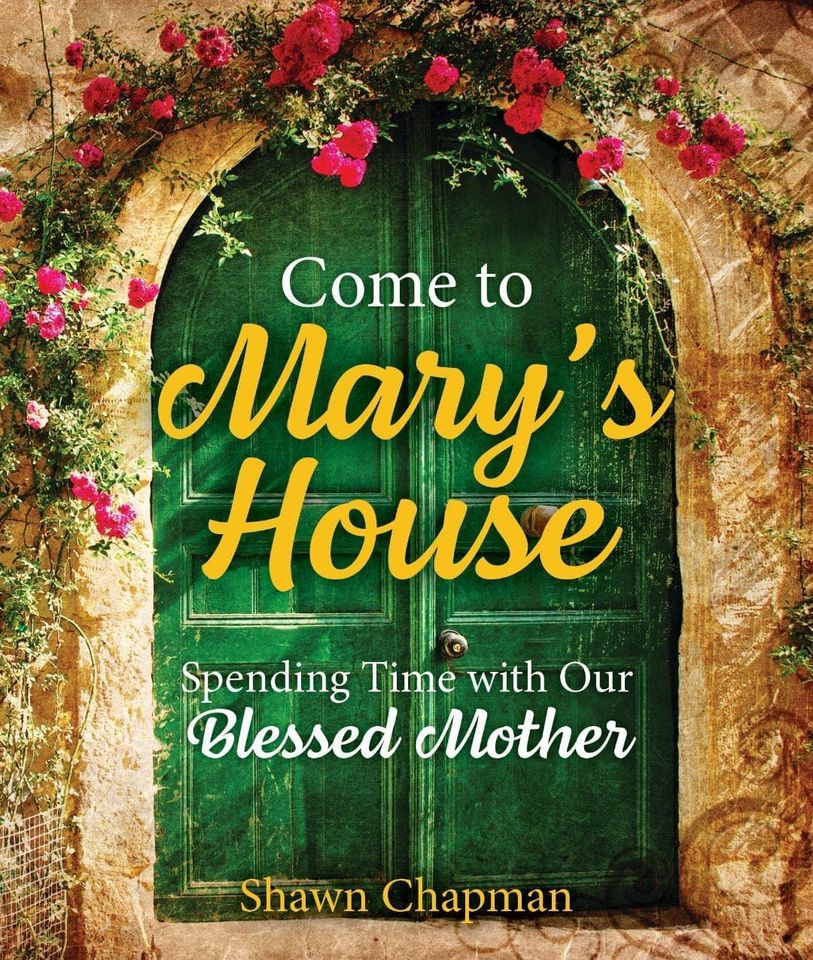




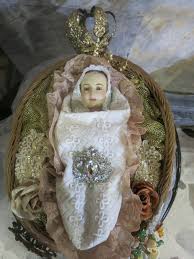
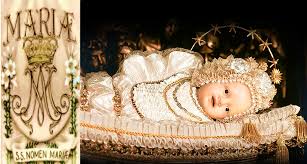

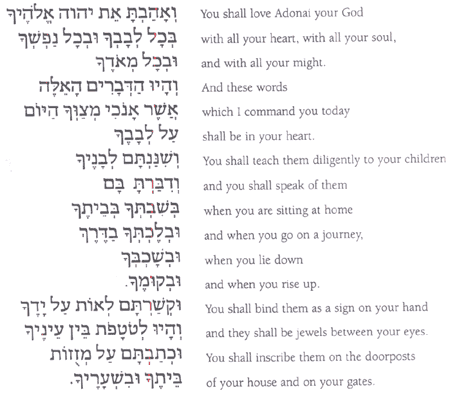


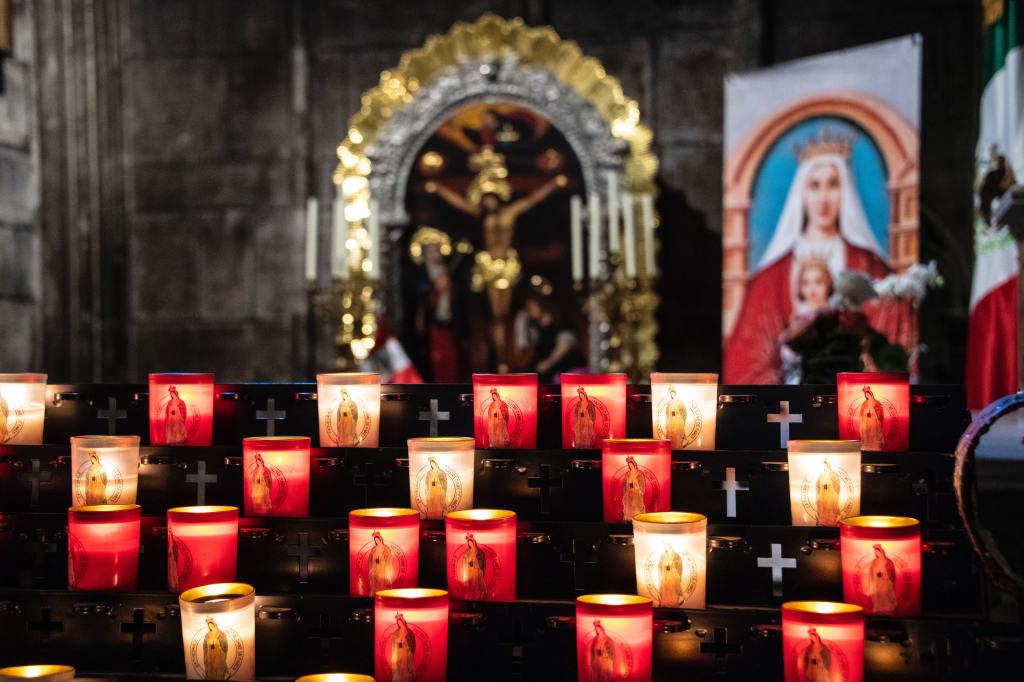



 Photo by Engin Akyurt on
  Opening Prayers for the Luminous Mysteries of the Rosary


