Search

Bethany Hang Out

Catholic contemplative life and devotion

Tag

spirituality

Prayerful decision making (in the Carmelite tradition)

Nothing stays the same.  Change is the constant in this world. Even so I never get used to it. Does anybody? Some changes happen to us or around us, and others we seek out. Other times we are in a fork in the road of our lives and we have a decision to make that will take us in one direction or another. In our college town, the young people around us that share faith with us will often say, “I wonder what God’s will is for me.” (I’m usually thinking that for me it’s probably the dishes).

We all have decisions to make throughout life. If we are people of faith, we certainly want to align our decision making with the purposes of God.

Prayerful decision making can help us understand where God may be leading us. Catholics call this process of holy decision making, “discernment.”

There is a lot of wisdom in the Church about discernment and decision making. Many are familiar with the Ignatian method of discernment but I relate best to the Carmelite way. It’s similar to the Ignatian but less work, I think.

Here is a step by step process.

First lay out realistically the choices before you. It usually helps to write them down.

Next, write down a list of advantages and disadvantages, to each of the directions you could take. This will help you organize your thoughts. Look at it again. What seems to be resonating with you the most out of your choices and the pros and cons you have written down? What’s going on inside you about all this? Just observe your inner state in a curious kind of way for a while.

Now bring yourself gently into God’s presence to pray.

St. Teresa taught us that as we come to prayer, it’s important to first set things right between ourselves and the Lord. So make an examination of conscience now. Then may wish to pray an Act of Contrition, either the traditional one or in your own words. This frees us to discern better. For me I always feel I can “hear” God better after Confession. It’s always good to tend to that as well, especially when there is something going on in your life or something you are about to do. But for now, an Examin and Act of Contrition will do.

Since Jesus is the “Friend who we know loves us,” enter now into “friendly conversation” with him about the choices before you. Tell him all about each one, and with him consider. Tell him how you feel. Share about what you want. Be receptive to what you might sense he is saying to you.

Ask him to give you a sense of peace about the right decision. You might pray, “Incline my heart according to your will, Oh God. Show me the path marked out for me.”

With the Holy Spirit as your light, explore any hidden inner motives, fears or attachments you may have in this situation. Ask the Lord to remove or bring to your attention anything that may impair your receptivity or distract you from his voice.

Now assess your inner peace. Look for a deep, solid peace and joy rather than any turmoil, or anxiety. Carmelite tradition holds that you can recognize God’s will in that peace.

St. Teresa said, “Seek counsel from every wise man,” (Or woman, as the case may be). Consult a trusted mentor or spiritual director, older family member or wise friend about what you feel you are receiving in prayer about what you are considering. Listen to what they say and make that

part of your deliberations.

Now consult the people directly affected by the decision you’ll make. Normally this would be your household; spouse and children, or other family.

Something I say to God after coming to the end of the decision making process even if I am still not exactly sure what he is saying to me, is “OK I think this is the way I should go. Stop me if I’m wrong. If it’s right, open the doors before me. Here goes!”

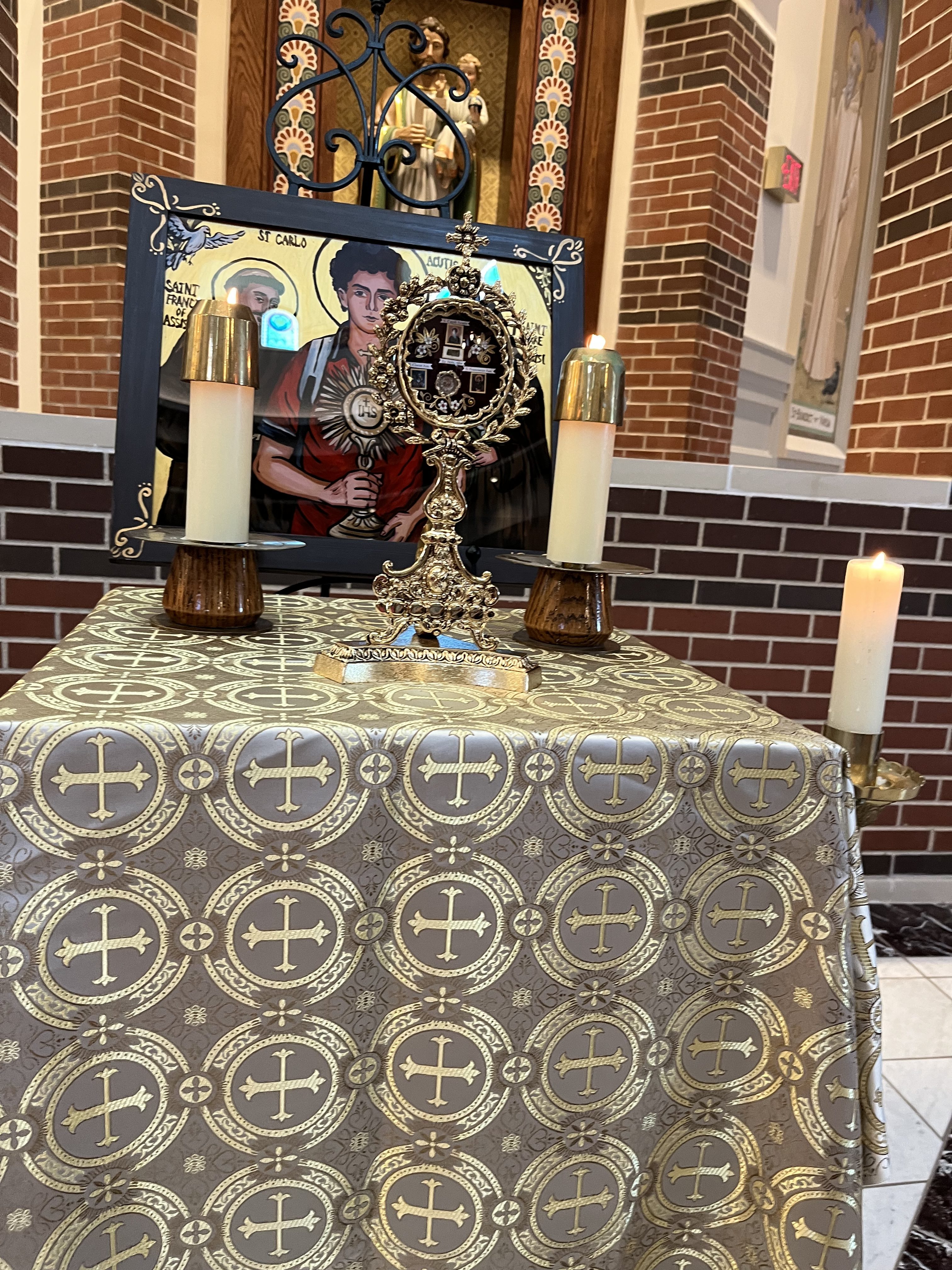
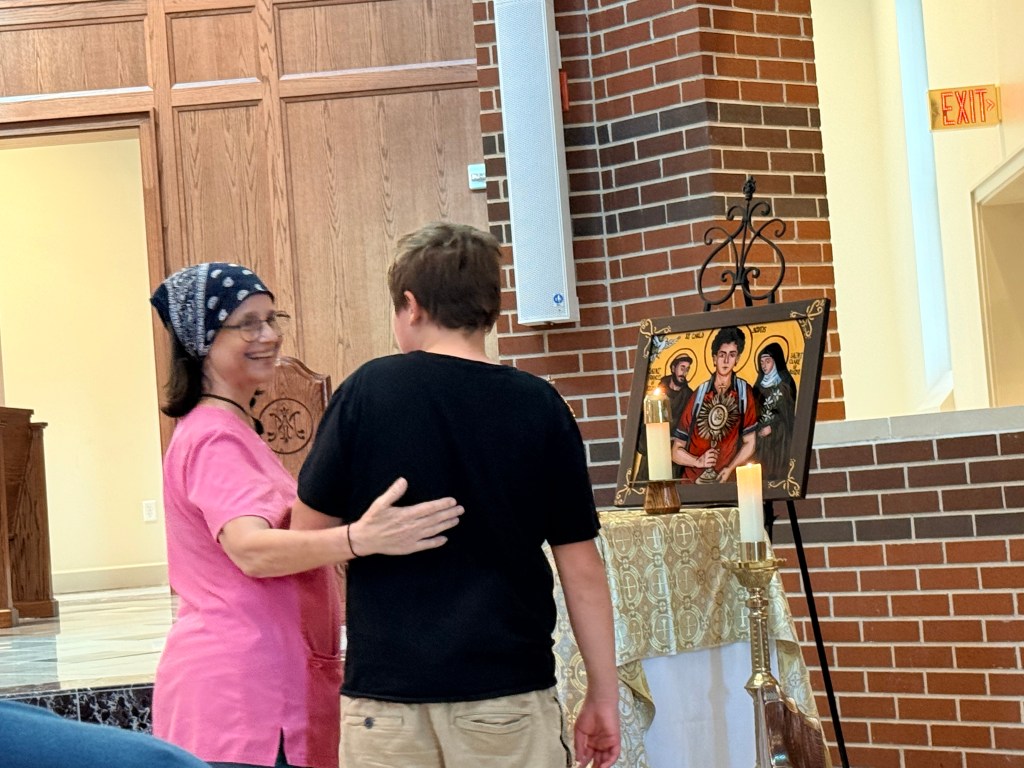
Relics of St. Francis with Sean

A table in a church adorned with a decorative cloth featuring golden crosses, a gold ornate monstrance with candles on either side, and a framed image of Saint Carlo.

Yesterday relics of St. Francis of Assisi, St. Clare and St. Carlo Acutis visited my parish.

St. Francis is very important to me so I had to go! However I was working yesterday evening. So I asked the parents of my fourteen  year old special needs guy Sean who I take care of in the evening if it was OK if I took him. They were fine with it. When I walked in with him I saw the line already snaked all over the church. After a couple minutes he was twisting out of my hand and yelling “bathroom!” So I took him there and lost our place in line, phooey. I was just wondering how we were ever going to make it through when someone in charge took us to the front of the line and explained to the people behind us. When we reached the front he made prayer hands. After a second or two he said, “OUCH!”

He sometimes does that just because he likes saying it. Then he clapped really loudly and I thought, “OK yeah time to go.” It wasn’t much but I felt uplifted as we left. Tears came to my eyes in the parking lot. I don’t really cry anymore – not for years. So that was a big deal. A small gift of tears. 

St. Francis was the first Saint I ever loved even before I was ever religious. Mostly I told him that- that I loved him and thank you. 🙏  I am sure the Saints  blessed my young charge also. In any case we both left happy. 

I plan to write St. Francis a letter later to say more to him. 💕

A woman in a pink shirt and headscarf warmly greets a boy in a black shirt near an altar with religious icons and candles, in a church setting.

Prayer to Maria Infantita

“Little Mary, let me come close to you.

Receive me at your little feet.

Let me love you with the tenderness of a child.

Let me rest here for a while, near you.”

And now silence.

Just be with her. Look at little Mary. She belongs wholly to God.

Ask her,

“Maria Infantita, teach me

your recollection.

Free my heart

fFrom whatever draws me away from God.

Teach me to be quiet within.

Let me turn from the noise of earthly things

and attend to the beauty of God.

Little Mary,

I give you my work, my joys, my sorrows,

my thoughts and desires.

Teach me to do everything for God.

Teach me to be little.

Teach me to be recollected.

Teach me to say yes.

And when I forget,

Draw me back to you.”

Little Mary, pray for me.

After praying, do something for someone,

especially for someone in poverty.

Little Mary doesn’t just leave you feeling spiritually renewed.

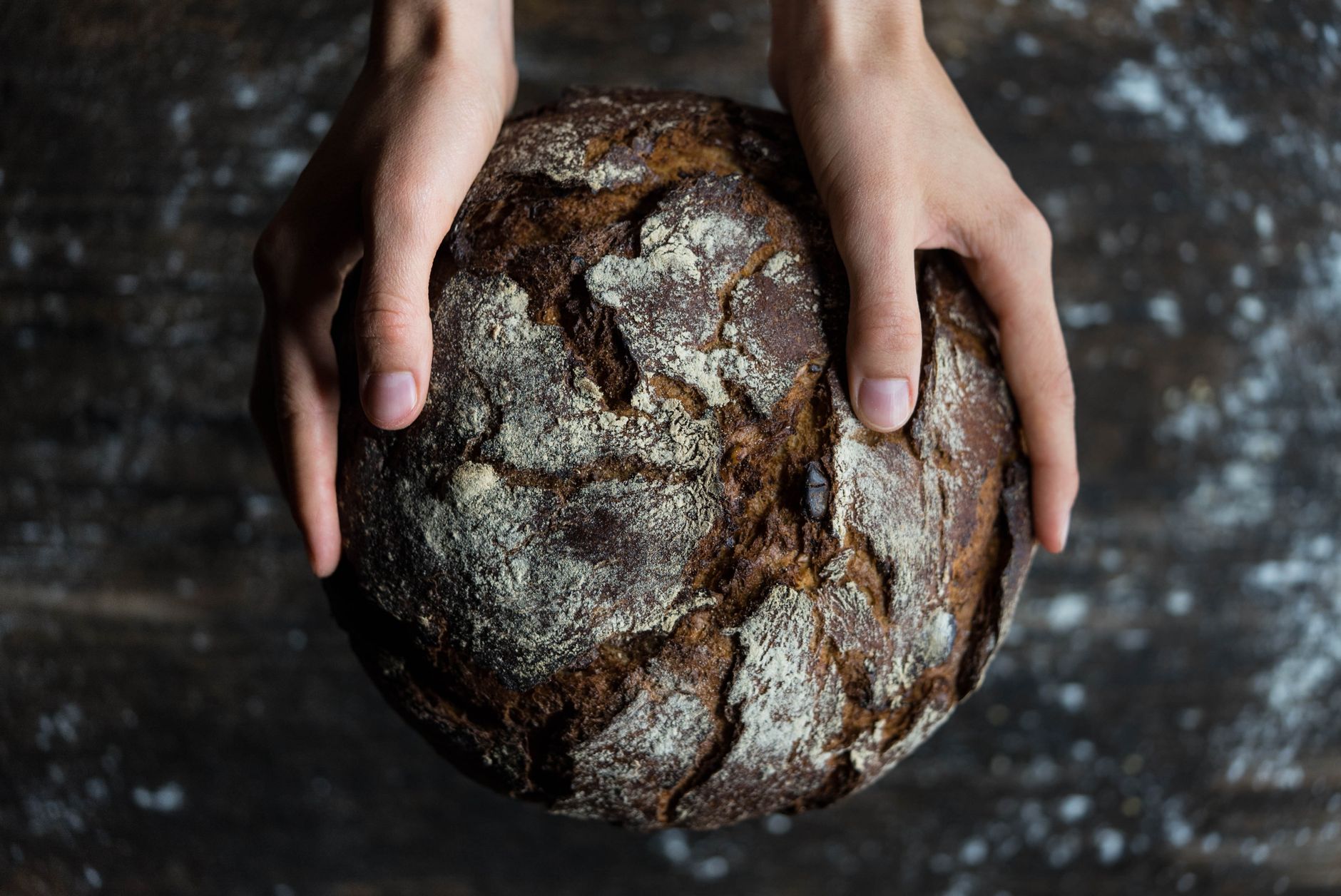
She sends you out with a loaf of bread.

Photo by Flo Maderebner on Pexels.com

The ideas above are primarily from the 1843-1848 Mexican devotions to Maria Infantita

Today, September 8, is Our Lady’s birthday. In the old devotional texts it was suggested to give alms to the poor on the 8TH of every month, and to pray to Maria Infantita every hour.

“At this hour I renew my loving consecration to you, Maria Infatita.

Look upon me with mercy, protect me,

and teach me to imitate your holy virtues.”

If you think about it, this is like a “Marian Little Way” of spiritual childhood.

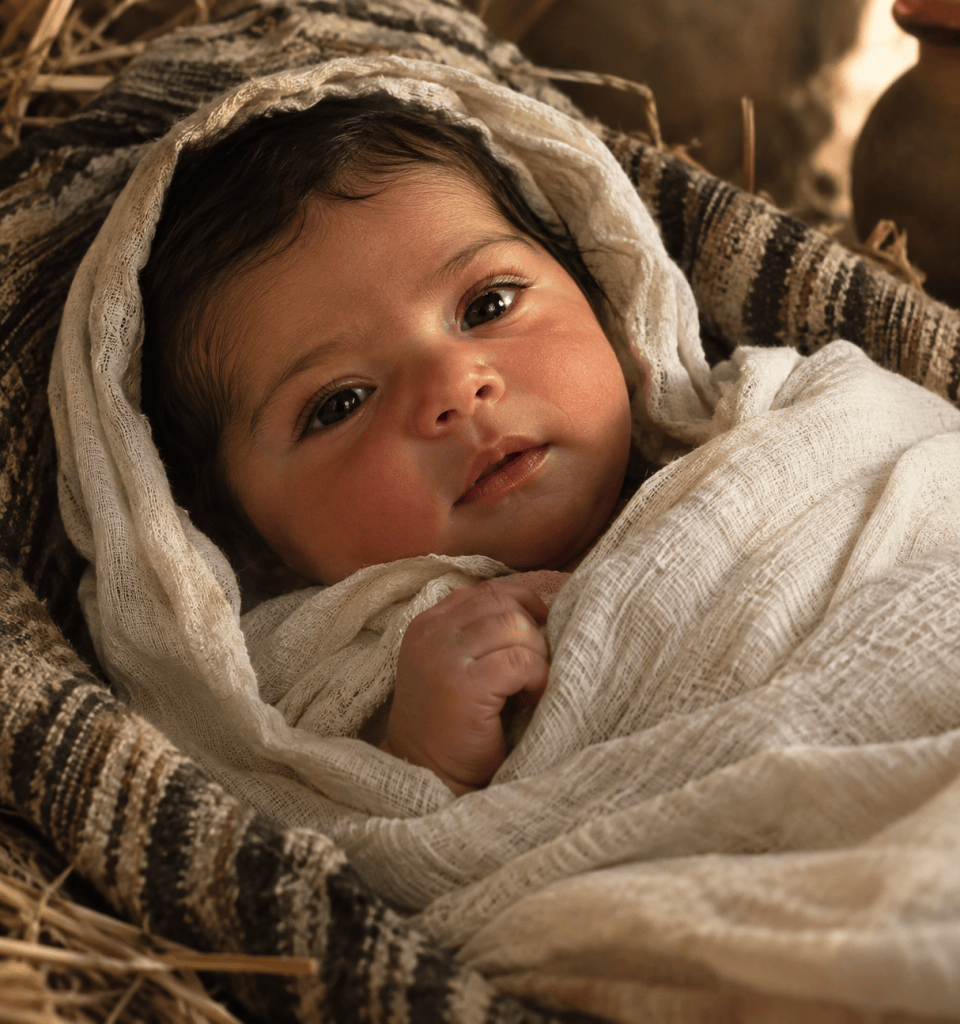
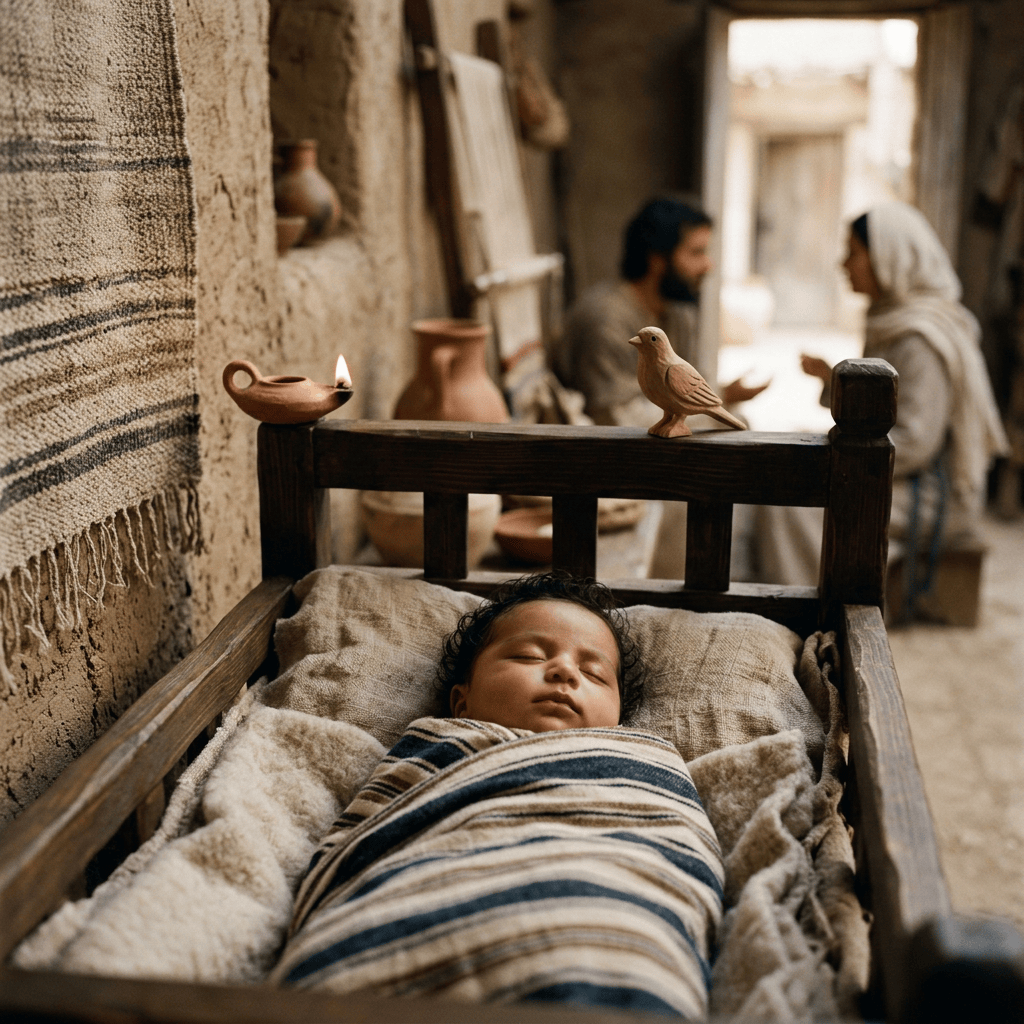
Newborn olive-skinned Jewish baby with lark

Inattentive at mass?

A lot of times I am distracted at mass because, being a ball of tangled neurological divergencies, sometimes it’s hard for me to be in a crowd of people. It’s also hard for me to focus almost all the time. How did I end up a contemplative? I guess because God can do whatever he wants and he is able to undiverge my brain when he wants? I feel guilty a lot though. OK, all the time, about my problem focusing especially at mass.

A few Sundays back mass was really crowded and I was standing in a little private area near the bathrooms and the entrance to the choir loft stairs, in an attempt to quiet my mind. This helped. But my mind was still going everywhere and sometimes I didn’t even notice it. When I did notice it I felt bad. I would say, “Oh. Sorry, Lord.” Especially during the consecration, I feel bad if I am not mentally tuned in. I said it again as the host was raised, “Oh. Sorry Lord. Dang.”

He broke into my thoughts. He seemed to say, “Why can’t you just be here?” I understood that to mean he wanted me to just be there at mass even if I was having trouble wrangling my mental states and thoughts. “Just be here.” It was like he showed how he saw me over there in my corner, without struggle, just me bringing myself to mass even with all the misdirected electrical impulses in my brain, just there to be with him. And I was. I was there to be with him. I don’t have to manufacture the right feelings and thoughts or try to get a perfect clear mind. I came to see Jesus. Apparently that was enough for him.

I remembered when I used to be a Eucharistic minister, I looked out at everyone coming up the line, and I thought how amazing it was that each of them had stopped what they were doing, changed into less comfortable clothes, rallied their families if they had them, got in the car, and drove to mass just to be there. “I bet that means a lot to Jesus,” I remember thinking. And then I thought that no matter what kind of people I gave the Host to, no matter what mood they had been in before they came up for Communion, every one of them took the Eucharist with the face of a child. And that’s how Jesus sees us. He sees his children doing their best to be there with him and the Church family, gathered around his table. That’s it. I can do that.

That’s what we are all doing. “Just be here.”

He just wants us.

Bearded man in robes standing on rocky path at sunset
A robed traveler stands on a rocky path above an ancient hillside village at sunset.

St. Mary Magdalen, the tour guide

Tour guide speaking to seated passengers inside a tour bus
A tour guide chats with passengers on a bus journey.

I had a dream about her. At the time I was just beginning my recovery process from a lot of hellish and very deep trauma. I was a young adult flooded with regrets about the troubled teen I had been and the dark ways I had tried to deal with the pain.

So God granted me a visit from my Confirmation Saint * to bring me healing and perspective.

In my dream I was on a tour bus with a lot of other people. We were about to drive through a Gypsy camp. The tour guide, who looked to me like a Romani herself, had the bus driver stop before we drove in. She gave us a talk about not gawking and telling us to be respectful. She probably said some other things too but I don’t remember.

As we slowly drove through the camp, we looked on silently while our guide talked to us. I noticed a girl sitting under a tree with a broken leg. It was a compound fracture; her shin bone was sticking out. It was hard to watch. It was even harder to watch her try to set her leg by using a crow bar. I gasped and so did others who noticed. The tour guide urged me in particular not to judge the girl. She said I should realize the girl was doing the only thing she knew to do with the only tool she had. This is when I realized the tour guide was St. Mary Magdalen. Suddenly I understood she was trying to tell me not to judge my young self so harshly. I too had been doing the best I could, the only things I knew how to do, with the only tools available to me.

When I woke up I felt I had been touched by Heaven, that my struggle was seen, heard and understood. And I knew I had a friend who got me, who had maybe even been there herself.

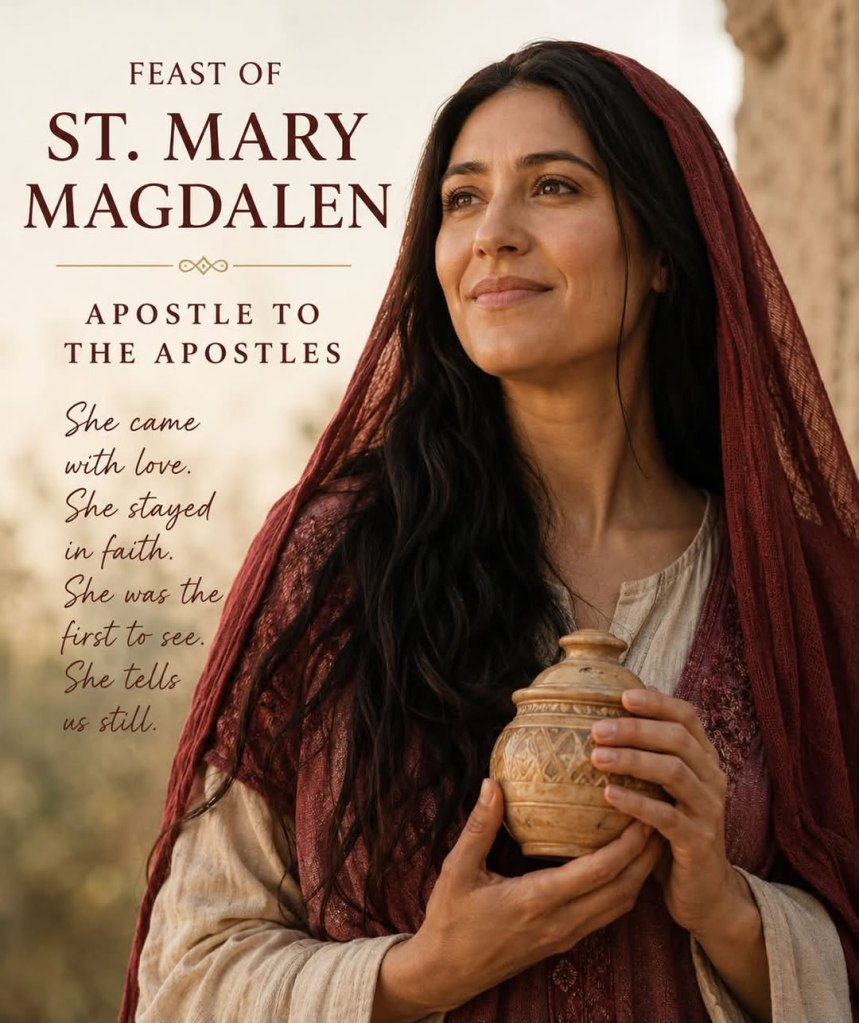
To this rich dream I have often returned for strength and inspiration. And I honor our great Saint, Mary Magdalen, today on her feast day. She was a woman of courage who spoke up even when she was dismissed and not believed. She knew what she saw. She knew what to do. She had received deep inner healing from Jesus, and she was the most faithful of disciples, with him until the end, after the end, and the new beginning too. She is our faithful friend, as well. I didn’t even ask her to come to me and help me. But she came to me anyway. She loves us. She is our big sister in Christ.

If you’re wounded, grieving, broken, beset by demons of some kind, she gets you. If you’re ready for healing she will help you get there. If you’re not quite ready she will wait until you are.

May she pray for us all and take us to the heights as we follow the Lord to the end.

From his fullness we have all received; grace flowing upon grace. (John 1:16)

*I had two Confirmation Saints. Both St. Joan of Arc and St. Mary Magdalen 🙂

Flowers of Gratitude

Photo by Lucie Nelson on Pexels.com

Rejoice always, pray continually, give thanks in all circumstances; for this is God’s will for you in Christ Jesus.” 

I Thessalonians %:16-18

I was going through a difficult time when I was nineteen. My best friend had just died a couple of months before and I had no spiritual foundation for dealing with that. Not only that but my family was going through a difficult time as well.  All of this was made more difficult by the fact that I was not any good at processing emotions or dealing with things in helpful ways. I was trying to change that but I was  still learning. I called a mentor of mine crying, not sure what to do about feeling so bad.  She said to go for a walk and think of five things I was grateful for. I didn’t understand but I was a mess so I did as she asked. I don’t remember what I was grateful for in the end. I mostly remember that being grateful for the smallest things and keeping them in mind as I walked lifted the dark heavy cloak I felt like I was wearing by at least a few pounds.

In the many years since that time I have learned that gratitude helps not only in dark times, but even in the midst of the very darkest of times. Not only that but it seems to fix a lot of problems. It may be that gratitude helps us to accept what is. Or perhaps the slight change in perspective helps us see with more clarity and makes problems appear smaller than they did when we were freaking out, and solutions seem possible. It is a great help in relationships. Appreciating people is an important glue holding us close to one another. It’s the same with God. When Jesus healed a group of ten lepers, he was shocked that only one came back to thank him (Luke 17:11-19). He appreciates our thanks. Gratitude draws us closer to the Giver. 

I haven’t forgotten the bad things that have happened to me in life, at least not the big ones. But I have made a habit of gratitude to the point that, as I recently noticed, when I wake up I usually smile at God as soon as I am conscious. (How long has this been going on?) Generally I’m not elated much. However I am content overall and I have a lot of joy in my life. Sometimes I am really worried about something and sometimes I have anxiety or I get angry or depressed. However the smile is real and at the same time habitual. I am not sure anymore which came first.

I know that when I am feeling out of sorts, uneasy or upset, that one of the best tools in my tool box is to say, “OK what am I grateful for?” Sometimes the things I am grateful for are only things like “Well I’m grateful it’s not worse,” or “I’m grateful for the trees,” or “At least we’re not dead.” Sometimes I laugh at myself that those things are all I can think of. But they are still good things as well as real things. It’s a start. 

Fr. Brian Eilers, when I had just confessed having lost my temper with my family, said he wanted me to go out into the main church and take up my rosary. “On each bead thank God for something. Keep going until you have been all the way around the rosary.” I had been upset when I had driven to the church. But by the time I finished my penance I was smiling. I had even thanked God for my family. I’m so pleased to have them, mad or not! 

So if you’re upset or in a bad mood today, if you got bad news, or if you watched the news and lost your peace, go for a walk. While you are walking, think of five things you are grateful for. Tell God about these.  When you get back, write them down. I’ve advised this to friends having a hard time before. I usually get a good report about how it went. This also helps if you’re angry with someone you love. Think of five things you are grateful for about them. I promise it helps. It can also help when you’re mad at God which at one time or another all of us has been. And when we are happy we should be sure to thank the good God for our joy. 

“If the only prayer you ever say in your entire life is thank you, it will be enough.”

Meister Ekhart

You might like to try Fr. Brian’s gratitude beads with your rosary.

Maybe you can imagine you are putting flowers at the altar of God in Heaven. After all, he deserves them. And he usually ends up pouring them into your lap.  He loves doing that.

Loose stemless flowers on jeans lap, POV

8 Minute Guided Prayer of Recollection

Photo by Gilmer Diaz Estela on Pexels.com

St. Teresa of Avila, Doctor of the Church, Carmelite reformer, and great teacher of Prayer, said that what she called the “Prayer of Recollection” was a method of mental prayer the Lord Himself taught her. Here is a video I have made of my brief, guided version of the Prayer of Recollection that you can use to learn it, or for a prayer break during the day. For more on the Prayer of Recollection, try reading my book, Meeting the One who Loves you, the way of prayer of St. Teresa of Avila from Our Sunday Visitor.

Meeting the One Who Loves You; St. Teresa of Avila’s Way of Prayer

Meeting the One Who Loves You; St. Teresa of Avila’s way of prayer

Why meditate on the Suffering and Death of Jesus?

  the Isenheim Altarpiece by Matthias Grünewald.

It is a pronounced characteristic of our Catholic faith that both personally and as Church we meditate deeply on the suffering of Jesus. Our crucifixes, art and literature are often graphic in their portrayals of his Passion and Death. The Saints emphasize this practice, the rosary we pray, the Church calendar, all return us to our suffering Lord. In the Stations of the Cross we walk with Jesus through his suffering step by step. Why do we do this? To an outsider it might seem ghoulish to dwell on the lurid details of his torn flesh, his bloody sweat, the tears he shed. 

The mystics say that Our Lord’s Passion is like a fire of love. The more we draw near to this fire the more we are warmed and transformed by it. 

I am a deeply sensitive, and, I hope, compassionate person. I am always uncomfortable with the Sorrowful Mysteries of the Rosary (traditionally prayed on Tuesdays and Fridays. During Lent it is also on Sundays).  Meditating on the Sorrowful Mysteries, we follow Jesus through his Agony in the Garden of Gethsemane, his Scourging at the Pillar, his Crown of Thorns, his Carrying the Cross, his Crucifixion and Death. It’s tough. But I don’t want to leave him alone in his sorrow. I want to share in it as his mother did. I want to comfort and help him. Also we can’t expect to only share the sweetness of the Lord without the bitterness of the cross.  Part of love is acceptance. I don’t want to only love part of Jesus I want to love all of him, accept everything. That means following him not only in his joyous times but right into the valley of death as well, and the cruelty he experienced from others. 

For me the fact of the betrayal of Judas, Our Lord’s broken heart, his grief, the abuse heaped on him, have helped me accept the sorrows in my own life. Sharing in his pain has made me more able to not look away from the suffering of others but to ‘weep with those who weep.”  (Romans 12:15)

A Methodist minister friend told me he noticed that Catholics don’t see ourselves as witnesses of the events in the life of Jesus. We think of ourselves as taking part in a very present way in our prayer and especially at mass. We are there at the Last Supper at mass. We don’t think we are witnessing something. It’s not a story. We are in it.  I like that. Maybe this points to why we submerge ourselves in the torture and cruelty of his death in such detail. We’re helping ourselves be there. 

Our Lord’s Passion teaches about love as intense faithfulness and determination, sacrifice, acceptance. It helped me stand by my husband all through his fight with brain cancer. In his darkest and fearful moments I listened to him talk about his feelings of raw desolation, anger, and even shame, of terror, of feeling there was no comfort anywhere. In spite of my love for him, part of me wanted to run and hide from the enormity of what he was expressing.  

I had no mitigating words to say. The profound suffering of another person is frightening to be present to. When he eventually asked how I felt about this on a spiritual level, all I had was the fact of Christ’s suffering. At least as we went through this with cancer we had a God with us who didn’t die gracefully in a shower of rose petals but was coldly executed, naked and bleeding like an animal, nailed to a cross, with a cry of spiritual abandonment only just having died on his lips. 

My husband nodded gravely. He got it. 

 1565
Oil on canvas
Scuola Grande di San Rocco, Venice

The Christian life is illuminated by the choice of Jesus to take our suffering on himself. It was our sins, our iniquities, yes, but our suffering too, according to Isaiah. 

“Surely he took up our pain and bore our suffering… by his wounds we are healed” Isaiah 53:4-5

The incomparable light he generated by choosing to undergo his Passion as an offering shines forever. It reminds me in my own darkest times, of his compassion. My tears are his too. St. Teresa of Avila says so great is his compassion that when you visit him in his agony he will forget his own sorrow in looking at you and wanting to comfort you. 

As we approach Holy Week let’s avail ourselves of the opportunity to love Jesus through his suffering and death, and to let him love us too.

Where there is hatred, let me sow love

Meditating on the prayer of St. Francis, I thought that from a Teresian perspective, when we pray that where there is hatred we may sow love – we are already doing it. Our prayer, as we pray it, is sowing love in place of hatred. In a mysteries way God shares his grace with us and through us in our prayer. We become instruments of peace in a mystical way.

Lord, make me an instrument of your peace:
Where there is hatred, let me sow love;
Where there is injury, pardon;
Where there is doubt, faith;
Where there is despair, hope;
Where there is darkness, light;
Where there is sadness, joy.

Right now, in this time of global violence, cruelty and chaos that is in almost every way out of our control, it is a relief to open the heart to God and let his love and grace flow through us to the world, to know that he is doing something and that we can be part of his loving transformation of the people and situations most in need of his kindness. We never know what God will do and where he will send his Spirit, or how he will act on the hearts of the people we pray for. However, we can have total faith that he will respond to our prayers.

I invite you to memorize the Prayer of St. Francis if you haven’t already. Try dedicating your time of silent prayer to sitting with it, going over it as slowly as you can without losing focus. You don’t have to think about it or examine it so much as concentrating on the words, letting each one drop into your heart like a pearl dropped into still water where it drifts slowly to the bottom to rest. Know that God is within you and working with you for your good, and for every creature. You will be sowing love in the world, pardon, light, hope, joy, as an instrument of his peace.

In today’s Gospel, John 4:5-42, Jesus tells the Samaritan woman that the water he will give her will become a fountain welling up within her, giving eternal life. To me that fountain is love, his transforming love. It wells up within us helping us to live out this prayer. It not only transforms us but everyone we splash with it, both in our prayer and in our interactions with people and the things we do during the day. Every day we are given opportunities to seek to understand rather than be understood, to seek to love rather than be loved, to give rather than receive. It becomes a habit, easier and easier the more we submerge ourselves in the water of his love that never runs out.


O Divine Master, grant that I may not so much seek
To be consoled as to console,
To be understood as to understand,
To be loved as to love.

For it is in giving that we receive,
It is in pardoning that we are pardoned,
And it is in dying that we are born to eternal life.
Amen.”

We pray like a fountain gushing out and watering the whole world, flowing out and touching everyone. We live our lives in response to this grace given to us. We are transformed in it and so is the whole world.

St. Francis, pray for us.

Blog at WordPress.com.

Up ↑