
Opening Invocation
For you are all children of light and children of the day. We do not belong to the night or the darkness.
1 Thessalonians 5:5
God of compassion, we bring into your presence all that weighs on our hearts this week, especially the human suffering and the most frightening things we see and hear of in the news daily. We gather these headlines not to dwell in despair or fear, but to bring them into the refuge of your healing presence.
Deep Focus
“Do not repay anyone evil for evil. … Never avenge yourselves, but leave it to the wrath of God… Rather if your enemy is hungry, feed him; if he is thirsty, give him something to drink… Do not be overcome by evil, but overcome evil with good.”
Romans 12:17-21
Jesus you did not use violence. You never hurt anyone. You never struck anyone. You never killed anyone. You did not tolerate injustice, greed, hypocrisy, or untruth. You confronted systemic injustice head on. This is what we are called to do.
This week was a maelstrom of violence; both violent acts and violent speech. It has been hard on nearly everyone, but especially on those who lost loved ones; eleven Venezuelan people at sea struck by an American missile, an influential political figure so divisive the division continues after his death, two children in a Colorado school shot and injured.
You are the Friend who we know loves us, all of us.
Let us gather our strength for love and nonviolence from you.
*Spend a quiet moment with Jesus. He is working in his mother’s garden. Join him. What is he doing? See that smile? He is glad you are here. He has something small in hand. He presses it to you heart. What is it? Seeds? A tiny star? A healing warmth? What do you feel?

Other Intercessions/headlines of this week
I will not leave you as orphans; I will come to you.
John 14:18
Lord, you hear the cry of the poor. We often do not. Now they are not only being ignored or disdained, some are being rounded up like criminals or trash. An influential media figure suggested the homeless should be euthanized. He is sorry for what he said. However, it was a a shocking moment, a symptom of something so wrong with us. We pray that you purify our hearts of any part of us that looks down on the poor and unhoused. Help us to truly see them. You said they were you. Every time we see them, we have an opportunity to prove our love to you. Let us be humble in our contact with the people the world pushes aside, remembering we have so much to learn. In public discourse, which they are almost always excluded from, inspire us to speak up for them as you would have us do.
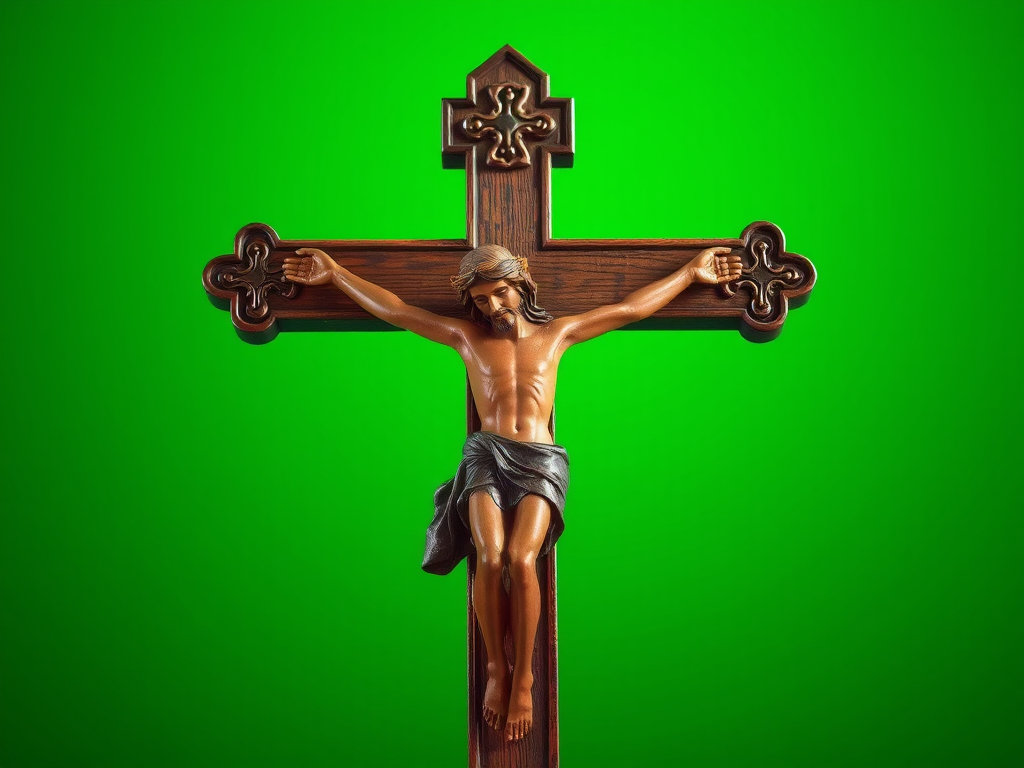
Israel attacked Qatar, continues to starve and bomb Palestinian civilians, and Russia continues to attack Ukraine. What can we do about these horrible things so far away? Bring us with you, Lord, to the foot of the Cross. Allow us to carry your Precious Blood to all who suffer violence and war to bring them healing. We kneel before you, Jesus Crucified, and prostrate ourselves in spirit. We ask you on behalf of for parents who have lost children, for children who have lost their families, for the wounded in hospitals, for the doctors without the medicine and equipment they need to ease pain and save lives, for every frightened child waiting for the next explosion, for peace, for a just and lasting, a true peace. May the bombs stop falling. May there be justice and righteousness. May your mercy pour over all. Never let us accept or normalize genocide or the weaponization of hunger.
We pray for immigrants who are still be rounded up violently and detained without due process in terrible conditions. Lord we pray for their dignity and fair treatment. We pray over our country’s need for a scapegoated group of people, that it will be healed of this so that we can love our brothers and sisters as ourselves; the love you have commanded. Guide us to any actions we must take.
Help us to love those who preach hate, those who accept it, or deny what is happening. Help us to bless and not curse our enemies, to pray for them humbly as you want us to, even as we speak out against what we must. Help us to become better rather than bitter.
We pray for an end to racism; the loud kind, or the unconscious and hidden kind; both in others and in ourselves. Help us who are not people of color to listen to those who are about these issues.
We pray for democracy, for the ideals of our constitution of liberty and justice for all.
We pray for Pope Leo XIV on this, his birthday. Bless him with long life and holiness in his strong and gentle rule over the Catholic Church, in his love for all people.
We pray that all people will grow in mercy and compassion.
“Protect us, Lord, from every evil, and grant us peace in our day.”
Closing Blessing
Comfort, comfort My people,” says your God.
“With gentle words, tender and kind
Isaiah 40:1a
God, in the moments when the news overwhelms, steady our spirits with the reminder that you hold the world- sun and star, nation and neighbor, beetle and bug, atom and quark, as well as our frightened hearts in your hands and that you remain you even if worlds fall. May your peace shape our hearts, your justice and love shape our actions this week. Lead us in your ways. We ask all these things in your Name, in your honor, and for love of you and our brothers and sisters. Amen
St. Michael the Archangel, defend us in battle.
Be our defense against the wickedness and snares of the Devil.
May God rebuke him, we humbly pray, and do thou,
O Prince of the heavenly hosts,
by the power of God,
thrust into hell Satan,
and all the evil spirits, who prowl about the world
seeking the ruin of souls.
Amen






















 Bethany Hang Out